Automatisch erstellt und nicht Wort für Wort korrigiert. Ein Klick auf eine Zeitmarke springt an die Stelle in der Folge.
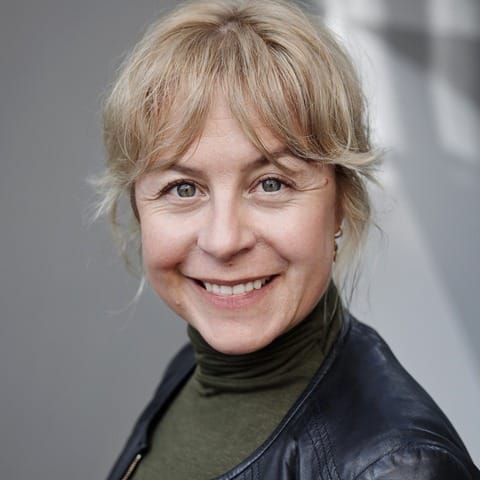
0:01Shaleia StevensHello and welcome back to a new episode of Time for You, where you get to kick back, put your feet up, and take some time to nurture presence, love, and well-being. And my name is Shaleia Stevens, as you may already know if you've been listening to the podcast for a while. I'm over here across the pond in Frankfurt am Main in Germany, and today I'm not speaking with Leah, as per usual, my wonderful colleague and podcast co-host from Switzerland, but rather with Jean Catherine Gray, PhD. Welcome, Jean, to our podcast.
0:42Dr. Jeanne Catherine GrayWell, thank you so much for having me. It's such a pleasure.
0:46Shaleia StevensSo nice to have you here. I roped Jean into this conversation today. She has a lot going on. I think she's writing something like 5 or 6 papers all at once. So, Jean, I'm so appreciative that you're taking the time. I wanted to read your impressive bio. Did you guys change your website since the last time I've been on there?
1:07Dr. Jeanne Catherine GrayNo, everything should be pretty similar.
1:11Shaleia StevensOkay, it looked somehow different today. So listen, this is, this, this is what's on the website. So, Jean Catherine Gray, PhD, co-founder and CEO of Innate Health Research. Jean is a researcher, facilitator and practitioner, but she's also IHR's muse and visionary leader. Magnetic and charismatic, Jean's passion is nothing less than infectious. And with a remarkable aptitude— I think it's true, Jean Catherine. And with a remarkable aptitude for translating complex knowledge into digestible and compelling information, she has a true gift for captivating and inspiring audiences.
1:52She's steadfast in her commitment to using science to improve the way mental health programs are designed and accessed so that even the most marginalized groups are supported in leveraging their own capacity for wellbeing. And that's really beautiful, Jean Catherine. And we're going to be talking about innate health research and all the cool things that you guys are doing over there. But I first wanted to start with you and your personal story. And for those people who are listening, how I met Jean Catherine was at the last 3PE UK conference in London.
2:27I had never heard of her or seen her. Jean Catherine, I don't know how we got by so many years with just not knowing each other, but it happens. And I saw her speaking on the stage about some of their research results that they were presenting. And we went to lunch together. And I, sitting next to Jean Catherine like a little kid, I was like, Jean Catherine, something about you is amazing. I just like you. Do you remember?
2:58Dr. Jeanne Catherine GrayI think the feeling was mutual. Yeah, and we know it's nice when you meet somebody and have that sort of click energy. It's such a, it's such a nice feeling. I think, I think everybody feels that way, right?
3:10Shaleia StevensThat's what it felt like, a beautiful click energy. Um, yeah, so we want to, we want to talk about all of that, like I said, the research work that you do, but I want to start with your You as a person, Jean Catherine, one of the things that I know about you is that you're from Spanish Harlem, which I never ever met a person who was from Spanish Harlem. And you have 2 beautiful daughters from 2 exotic places. Maybe you want to start with those 2 things first just to get us kicked off.
3:40Dr. Jeanne Catherine GrayWell, so on a personal note, I grew up in, you know, sort of the Upper West Side of Manhattan, right on the really the edge of Spanish Harlem. But, you know, my life was definitely different than most I would say growing up in New York City, it's actually a very different environment and culture than most American homes because you're constantly surrounded by a lot of different languages and different people and then exposed to just a great variety of the world, you know.
4:12So when I was growing up, it was normal to be in an environment where you were not— it was not homogeneous. homogeneous. So, um, in any case, then when I decided to become a parent, I decided— I think my friend said I just wanted to create a little New York City where I was. And, um, and the truth was, is I wanted to be a parent, and I, I really didn't think that had to be a birth child. Uh, and so for me, adopting seemed like completely like the natural choice. So, um, I went to 2 places that are actually probably in many ways not exotic, right? I mean, China is like billions of people in China, so probably they would not consider themselves exotic.
4:54Shaleia StevensTrue, true.
4:57Dr. Jeanne Catherine GrayAnd then Ethiopia, which is, you know, one of the oldest, I'd say, like learning centers in the world, right? Ethiopians created math, and, you know, so the history of Ethiopia is quite rich. So, and both of these places have really rich histories. And I would like to say that, you know, everybody always asks me about this, sort of like, why didn't you adopt nationally or like in your state? And it was really just logistical. We, at the time, it was not very easy to do an adoption and birth mothers could change their minds.
5:35And sometimes that could take up to a year. And I thought, my first time adopting, I just thought I couldn't handle it if I had adopted a child and then somebody said after I was their mother for a year that now I could have no contact with them. I think that would be absolutely devastating. So I just couldn't put— imagine putting myself in that position as a new parent. So, um, and China was at the height of its adoptions at the time, and my ex-husband was part Chinese, and so it made natural sense to go to China.
6:06Um, also, you know, it's interesting that just about the adoption process is fascinating because So often each country has its different set of rules. So one of the things you're trying to navigate in adoption is, is, is it safe? Are the children being cared for? Are you giving money to people who are just taking advantage? And at the time, it seemed like that was a pretty good system that was set up in China. Turns out it was not. But, you know, these are things you find out later when you get more information and more information comes out.
6:38And so much later, you know, I'm pleased to say my daughter came from a southern island in China that had never adopted internationally before. So we were fortunate that we didn't get sort of swept up in this crime wave that happened around adoption in China. But, but, you know, so, so like any parenting process, it is wrought with decisions and processes. And, and when you're adopting, it also has classes. And, you know, so it's a, it's a really interesting way to become a parent.
7:09a parent. And then my second adoption, my daughter was born in Ethiopia. And we— people often ask me, like, why didn't you go back to China? And the reason is because China was closed to international adoptions. And again, we were trying to make the best decision based on our family and our family needs and based on the rules and the laws and what's the best system for adopting.
7:33Shaleia StevensHmm.
7:35Dr. Jeanne Catherine GraySo anyway, that's how I ended up adopting from 2 really historically rich places.
7:44Shaleia StevensWow, that's amazing, Jean Catherine. And I know that means the world to you. Your daughters mean the world to you. And after you and I spoke in London, I wanted to find out more about Ethiopia because also one of my— another 3P colleague of mine is working there with the GIZ. And did you know that Ethiopia's largest natural resource is I didn't know that. Yeah, I always, I always think of Ethiopia and drought and, and they have a huge amount of beautiful natural water and it's their largest resource.
8:22I'll send you over some of the information. I have this book that I was reading where it was geographically described and also their political prowess because of the water, the influence that they have because of that right now. So, but anyway, I was interested in that after speaking with you. And another thing that I found out about you, Jean Catherine, when we were in the UK is that you care about people of color and who have maybe difficulty in a culture where they're different and how they're accepted and cared for and communicated with.
8:59I got the real impression that you care about you know, topics like racism, but also about women's voices and speaking up for what's important to them. I got to know Jean Catherine as quite an activist in the world. So I don't know if you wanna say anything about that before we get started, Jean Catherine, but I think that's something that, yeah, it doesn't define you, but it's about you. Yeah.
9:27Dr. Jeanne Catherine GrayYeah. I mean, I think it's a very important topic. I think one of the things that's happening in society right now is this feeling of either marginalization, like maybe I'm a white man and I don't feel heard or seen, right? And I'm pushing back on that. I'm angry about that. I want to be able to do the things I'm going after, the things I want to create. Or maybe I'm an activist and I'm angry about not being heard, right, by our Congress or Senate here in the United States.
10:04By the administration. That is, you know, active right now. Or maybe, you know, I'm a Black girl growing up in a predominantly white area who doesn't have, you know, anyone to help her navigate hostility that is around her really all the time. And it goes unseen by people who aren't Black, right? They can't experience it themselves. And so it doesn't exist for them. And so I'm passionate about what I learned through something called the 3 Principles about navigating all of that.
10:42And especially when it comes to activism, if you understand how your psychology works, then things can be more logistical rather than sort of putting your head in the sand and saying, oh, it's too much, it's overwhelming, I can't watch one more thing, I can't be touched by one more thing. Instead, you know, there's this opportunity to be aware, to be awake, to be touched, and to be active and to be engaged and to speak up, right? It's harder to do that if you don't understand how your psychological capacity works.
11:17And so for me, activism really— I was always active. I always went to marches as a kid. I grew up in a family who both my parents were part of the civil rights movement. They both went abroad to teach. as part of either Peace Corps or the British Teachers Corps. And, and they both believed in this sort of progressive idea that people with access to education, to healthcare, to childcare, that people with access become great citizens and great economic drivers and, you know, great neighbors.
11:51And I have to say, I haven't fallen too far from that tree. And psychologically, as a psychologist, I really think like, wow, if people understand their psychological how it works, even if they're coping with mental illness, they have a lot more tools and skills to navigate, to be a good neighbor, to be a good partner, good spouse, to enjoy and thrive in their lives, to find solutions to problems that feel unsurmountable.
12:19Shaleia StevensHmm. So, you know, that, that activism piece is actually really buoyed up by my understanding of how my psychology and our psychology Well, I think that's a super relevant topic to start with, even though it's not where I planned on starting, because I think that right now in the world, particularly people living in the US, not only, you know, all over the world, there's a lot of things going on right now that are disturbing for a lot of people. And I want to ask you more about how you see that, like how understanding makes a difference.
12:56And What I— I'm going to put it in very simple terms because I'm a very simple person in general, but it's just the way I would see it is you look out into the world and you're dissatisfied with what is going on. And you might even feel not only anger or resentment for the state of things, but you might feel a sense of hopelessness or fear. And you might have something within you, like a desire to become active, whether it's just having a conversation with your neighbor in a loving way about your political differences, or maybe you would go to a protest or do something else, or in my case, like my work in Africa.
13:49And then what could possibly happen if you don't understand how you work as a human being, if you don't understand your psychology, Where could people get stuck, Jean Catherine, if there was a misunderstanding about that?
14:05Dr. Jeanne Catherine GrayThat reminds me, years ago during the first Trump administration, or right before, I guess it was a year before the election, we had a family over. Our children were going to the same camp and we went to ride share. And I thought, oh, it's such a good idea. We have these shared values. We're going to this nature camp. We should all meet and feel comfortable letting each other drive each other's children. And when the couple showed up, I made some assumptions about their background, their political leanings.
14:35And they corrected me. They were voting for Trump and I was not. And it was a great opportunity, right? If I didn't understand how my psychology works, I might immediately shut down to that conversation. I might immediately be like, oh, you're never driving my child. We're not even having dinner, right? There could be a real kickback. Because I do have strong feelings about living in a world that Trump creates, that he, that his administration is creating.
15:07So, um, but instead, because I understand how my psychology works and I understand, I'm actually quite curious, right? Oh, what about this appeals to you? Here is this couple. They seem very kind. They seem, you know, very, they, they're very relational. They're certainly not doing the kinds of things that Trump has done. You know, it's— so there's a sense of like, why would you vote for this guy? What is it that appeals to you? And like a lot of people who voted for Trump, they were one-issue voters, and their issue was the Second Amendment.
15:44And so we had a long conversation about the Second Amendment. We had a long conversation about gun rights. We talked about how that impacted their lives. You know, And they were learning from me too, right? Just by being in this sort of warm, connective conversation where I am very clear when I speak with people of a different political persuasion, I'll say, oh, I don't agree with you, but I would love to know more about your thinking and how you came to this decision because I don't look at it that way.
16:15And I actually find that those kinds of conversations, there's actually a book called Persuasion, I think it's called, but basically talking about people who have this ability to have these types of conversations, it, it allows for networking and relationship building across lines of difference. And that actually is key to preventing civil war, right? If we don't talk to each other and we imagine the other side is evil, or the other side is somehow inherently bad, or the other side is somehow not human, then we really are at risk for escalating violence, aggression from all sides.
16:56Shaleia StevensHmm.
16:57Dr. Jeanne Catherine GraySo, so for me, this, this is an act of resistance, saying I am not going to engage in— I'm saying I'm going to engage in curiosity and compassion and really open to what someone else is experiencing is an act of resistance, right? I am not going to agree to perpetuating violence against this person because they do not think the way I think. And I don't think we have that perspective enough. The other thing I think we don't have a perspective on enough in terms of activism is I hear a lot of people saying, well, I'd like to do more, but I can't even watch.
17:35Shaleia StevensYeah.
17:36Dr. Jeanne Catherine GrayI think that's a big mistake. I think we have to really be watching. We have to really dig and say, is this true? I, you know, is this going on? Is this true? And then if it is true, what, what small steps can I take to do about it? And the reason that's important is because taking action is what makes you feel better, ironically. And this is true for trauma. This is true for all kinds of negative events in our lives, right? If we dig in and we hide, then we are at risk for really perpetuating a mental health crisis, right?
18:16Because we don't see ourselves as empowered to act. So even the small act of calling representatives and saying, like, I don't know why you're not listening. It is really important that we protect the First Amendment of the United States. This should be protected for all persons in the United States. You should protect this the same way you would protect the Second Amendment. I mean, it's the First Amendment, you know, but even calling to say that, or even writing letters, you know, or even engaging in conversation with people who don't think like you. These might be small things, but taking the action is empowering yourself to have a voice.
18:59Shaleia StevensYeah.
19:00Dr. Jeanne Catherine GrayNow, some people can go to protests and some people are really comfortable with that. I think the more people who do that, the less scary it is. Right? Everybody's saying, no, we have to have legal processes. We have to have— we have to respect the rule of law. We have to respect human rights. We have to have processes that allow people to become citizens. Good people, family people, hardworking people should have a pathway by which we become citizens.
19:28And we can't criminalize people just for being poor, right? That's just not enough of a reason. to make somebody bad and evil. And so standing up together is another way to empower ourselves to talk with people who support these ideas and to be together is recuperative and it's empowering. And so the worst thing you could do right now is hide. And I would say that's true for whatever political leaning you have. Like maybe we were listening to this and you're like, well, Why are we even talking about this? I came here for psychological health or like living well.
20:05Shaleia StevensYeah.
20:05Dr. Jeanne Catherine GrayIt's like, well, the truth is everybody has a voice and everybody has something to contribute. And so rather than fermenting at home and becoming angry or aggressive or despondent, it's like, let's take small actions. Let's connect with our neighbor. Let's have conversations. You know, why does the other side think that way? You know, and if you're passionate about whatever you're passionate about, Then, then get involved in a productive, democratic way that allows us to further this experiment, right? The experiment of democracy, uh, rather than shut it down, because it's way too early to shut it down.
20:48Shaleia StevensYeah. Yeah. I think this conversation is so important for mental health and being in the world right now. Um, I think it's 100% on On-point conversation for a mental health and well-being podcast because I think that so many people, and it's not just in America, and I know that's where you are over in Virginia, Jean Catherine, but even here in Germany where things are a lot calmer politically, I know we have some stuff going on as well, but still there's just this— low-grade anxiety about the state of the world happening right now for so many people that I speak with every day, whether it's in coaching conversations or just going with my neighbor swimming, and people just don't know what to do.
21:42And I love that you're saying that we can empower ourselves and not to hide. And I belonged for the longest time to being in the camp of, I don't see anything, I don't hear anything, I don't say anything. It's too much for me. And what I've really realized in the last year, I'm working in 3P in Africa, which you know that I do. Some people here on the podcast do and some don't. You know, we work with people who are coming from war-torn countries and end up in refugee camps in Uganda or with starving children in orphanages, like all that kind of stuff where things are happening.
22:23And I had in my mind that I'm too sensitive, that's too hard for me to watch or to be with. And what I realized is like what you were saying, when we have this deeper understanding of who we are and how we function, and really what powerful intelligence underlies all of it, we realize how much strength and resilience and capability we have to hold space and be in relationship and support and help and do little tiny things, you know, whether it's, you know, this week just having a conversation with the donor and the orphanage, or this Thursday going to show up and, you know, just teach a 3 Principles class at the refugee camp. And it's little stuff.
23:13Dr. Jeanne Catherine GrayIt's Yeah.
23:15Shaleia StevensLike huge things. But you're so right. I feel much more empowered than I was before, where I was just feeling like I can't control anything. It just seems like everything is just outside of my reach of control besides my vote, maybe. And also learning that, you know, I can be deeply compassionate with another person's experience. I can hear them talk about having to leave their land behind, their animals behind, their families behind because the rebels were, you know, killing people and pushing them out.
23:51But I can still know that they are a deeply well spiritual being that nothing can touch or scratch on the inside. And I had to really put that to the test in doing this kind of work. And I think that that is possible and on offer for anyone in the world. How do you see that, Jean Catherine?
24:17Dr. Jeanne Catherine GrayYeah, I mean, I'm a psychologist and a scientist. So one of the ways that I've been looking at it is just how we've been studying that through psychology through the years, right? The founder of American psychology, William James, was very interested in this idea of some kind of deep internal structure that could essentially be tapped or revealed or insight, right, would, would, would help somebody tap into that and help them navigate. And the truth is, in our work and innate health research, we call that capacity innate health.
24:51And we've been testing ways to look at that in different populations. And so we've been very interested in when somebody learns an intervention like the 3 principles, and they— number one, does their sense of awareness of this thing that we're calling innate health change? Do they become more aware of their developmental capacity for resilience, for well-being, for connection? And if that's true, also, does that mediate or moderate other changes?
25:23So we want to know if we can measure innate health. So we have to design questions around that, attempting to measure that. And then we have to test that against other kinds of outcomes like depression or anxiety or— you know, social connection, right? Prosocial behaviors where we interact with each other. We want to test those things together. And then we, we discovered over the years in working with different pilot populations, which means just small studies over time, that we were able to measure this thing called innate health.
25:57We were able to identify it and measure it. And then we did find not only a relationship where somebody's innate health goes up, their awareness of their own capacity for well-being, their awareness of their own capacity for creativity and wisdom and clarity, when that goes up, so do the other measures in terms of well-being goes up or a negative relationship where anxiety go down, depression goes down, resilience goes up, prosocial behaviors go up.
26:28Shaleia StevensYeah.
26:29Dr. Jeanne Catherine GrayRumination, you know, potentially is lower in people with innate health. So, so we're looking at both, you know, this understanding of what— of this sort of source that, that we call internal developmental capacity, you know, you call a spiritual source. No matter what we call it, people have this sort of experience of being able to tap into and navigate.
26:55Shaleia StevensYeah.
26:56Dr. Jeanne Catherine GrayAnd what's really interesting is we've been working in, you know, researching populations that are pretty high risk. So my first study was in prisons. A recent publication— right now it's a report that will become a publication— we did with a program in Watford delivered to mostly people who are unemployed and at risk for homelessness. This was a really interesting population because, again, like the prison population, They were struggling with drug use.
27:24They were struggling with multiple mental health disorders. They were struggling with being single moms with kids without support, social support. And so it was really interesting in looking at those populations and an addiction population in the US that was in a recovery program based on this same kind of 3-principle intervention was that across the board in these high-risk populations, we're seeing the same kinds of changes. So it's reliable with consistent effects.
27:54consistent. And then also, interestingly enough, in the qualitative, in interviewing at the prison and interviewing on the ground in Watford, we really found that people who take up the training feel empowered to do things. So the thing we're talking about, these little things that seem like, well, what's the point of this little thing, like meeting my neighbor or, you know, calling my mom or whatever the thing is? Well, actually, those little things are give people a sense of what we call sense of agency or a sense of independence, a sense of, of I have control over this.
28:31Shaleia StevensYeah.
28:32Dr. Jeanne Catherine GraySo, so the act might be small, like I broke up with my abusive boyfriend is quite a small act, actually, right? In the action, I, I no longer have contact with that person. Or I reached out to my parents who I've been estranged, estranged from. These are small acts, in the moment, but they empower the person to feel like, oh, I have some agency, I have some choice, I can choose my environment even in these terrible circumstances. And that's really interesting to me, right?
29:07Somebody who's a mental health activist, basically, who believes lived experience partners should be part of the conversation, who really thinks communities are coming up with solutions that need to be research, needs to be evidence-based, and needs to be provided more funding for scaling up. This kind of programming really hits all my interests, if that makes sense.
29:33Shaleia StevensYeah, all your geeky interests in mental health and innate well-being.
29:37Dr. Jeanne Catherine GrayYes. I hope I didn't get too— I tried to keep it really accessible. I hope that makes sense.
29:44Shaleia StevensIt does make sense. I can follow you. And I just wanted to make maybe some really I think simple examples for the people listening, because I had the privilege of reading some of your reports or some of the research. And, you know, maybe we could talk— maybe we can talk about that. And I don't know if this is about the community in Watford or if it was another community. But I had read something in a report that you had sent me about people who were needing to go out and apply for jobs.
30:15Dr. Jeanne Catherine GrayMm-hmm.
30:17Shaleia StevensAnd then they would have a certain, let's say, pattern of behavior going on before being introduced to the 3 Principles through this training that you were talking about. And then they had a certain pattern of behavior, a way of showing up in their interviews and being in the world on their job search after. And you guys having just a look at, like, that was just one of the things that you looked at. Can you say a little bit more about that, Jean Catherine? Because it's such a simple thing.
30:49Dr. Jeanne Catherine GrayThere's one example that I don't think is in the report, so I'll share it with you. So we did 36 interviews, and 35 of those interviews had the same kind of arc, right? That's the same kind of storyline or narrative. And in qualitative research, that's considered what we call saturation. That means, like, oh, people who participate in this program, They have the same kind of experience overall. The 36th person was like, I didn't get anything out of it.
31:17Okay, fair. Sometimes people aren't going to get anything out of it. That's fair. That's how programs work. That's how the human beings work, right? We're all individuals. So what was interesting about one of those 35 interviews is he— this— oh, he or she, I don't actually know because it's blinded. Probably she.
31:34Shaleia StevensMm-hmm.
31:35Dr. Jeanne Catherine GrayBecause I think there was a larger proportion of women in that programming. Uh, but she was talking about how in the past, when she rubbed up against things that weren't working at work, she would become quite reactive. And what that meant for her was that she didn't necessarily get callbacks or referrals, or it's like the relationship kind of ends there, right?
31:58Shaleia StevensMm-hmm.
31:59Dr. Jeanne Catherine GrayIf you get reactive or big. So after the program, she got involved in a job that she thought would be a great fit and she was really excited about. But after a few weeks of slogging through it, she realized like, this is just not a good fit for me. So she went to the head of the department and said, you know what, this isn't a good fit for me. I'm just going to need to bow out. And she was so calm about it and so relational, right? So connected that the people were like, oh, well, let's find a good fit for you.
32:32Right? So, so they, they actually gave her pay to, to like not work that job while they figured out the other job. And then they got her this other job to try. And she said, you know, it was remarkable because she knew if she had behaved the old way, this would not have been an option. She would have burnt that bridge. But because she saw how her own reactivity was getting in her way, that's not a— that's a little thing. But if you see it, there's a big difference. And so she was able to stay calm and connected and be truthful. Right? Rather than try to slog through until she was so angry about the lack of support or whatever it was that was missing, or you know what I'm saying?
33:14Shaleia StevensYeah.
33:14Dr. Jeanne Catherine GraySo, so that was one thing I thought was really impressive and saw across the board. The other thing I would say, and I use this example a lot, so I apologize if you guys have heard this before in one of our conference presentations, but, but it just made such an impression on me. In prisons, guards and and prisoners, people living in prison, do not have overall good rapport or good relationship, right? There's a serious power dynamic here. There's a lot of us versus them, and it tends to be a pretty hostile relationship.
33:47Occasionally you have this really, really great officer who's, you know, able to sort of build these relationships, but typically there's a lot of tension between these 2 groups. Anyway, one of the guys who I interviewed said that He realized after taking the Three Principles program called Insight to Well-Being in prison that he didn't see the guard as human. Like, so he has this idea like, oh, this person goes home. This person has to deal with life every day, not just here inside with us.
34:26And this person is really hostile to us. So he says this guy was so mean to us, hostile to us. I forget the exact terminology. And he realized he was essentially human dealing with the same kind of stuff. So he decided he was going to change that relationship. Now, that's an incredible amount of agency right there, just making a decision that he's going to change that relationship.
34:46Shaleia StevensYeah.
34:47Dr. Jeanne Catherine GrayAnd then the action he took was to engage that officer in a friendly way. And he had to keep doing it over time in order to see a result. And he claims that he saw a big change, that the officer, not at first, over time began to be friendlier to the guys on the wing, began to talk and chat with them more. And so they began to build some rapport as human beings, right?
35:13Shaleia StevensMm-hmm.
35:14Dr. Jeanne Catherine GraySo that's incredible. These stories that are coming out of the qualitative research really exemplify what it feels like to be in impossible situations. And I feel like those officers are in impossible situations, to be in these really difficult circumstances and find ways to connect and navigate that allow you to settle down even, right?
35:38Shaleia StevensYeah.
35:38Dr. Jeanne Catherine GrayThrough sort of seeing how your reactivity is getting in your way and letting that settle so that you can be connecting and real with another human being. It changes things.
35:50Shaleia StevensYeah, it does. It does. So it so much does. I love, I love that this conversation has gone in this direction, Jean Catherine, um, it being about engagement and about empowerment, because that is often something in the Three Principles community that I think is not talked about enough.
36:10Dr. Jeanne Catherine GrayMm-hmm.
36:10Shaleia StevensYou know, we always talk about the settling down part. We always want to get to the inner peace. We always want to, you know, get to a good feeling and maybe the inner wisdom. But I love it when it goes the next step. I love it when it's like, okay, I've learned I've come to the realization that I think all day long. I have a lot of, you know, negative-leaning thinking as a human being. I don't have to get all entwined in that. I don't have to believe it and follow it.
36:43Okay, that's not me. There's something deeper than that. And it's that innate well-being that we have, that wonderful Beautiful, deeper intelligence. And then what I'm hearing you say is, and then to grasp ahold of that and go into my life and start, you know, in German we say handling, acting from, acting from that place, from that place within me, and to engage in the world, to be empowered in the world in a positive, loving, compassionate way. And that is That is just beautiful. I get like goosebumps when you talk about that.
37:25Dr. Jeanne Catherine GrayYeah.
37:26Shaleia StevensSo, Tinker.
37:26Dr. Jeanne Catherine GrayWell, I love what you said because it really jives with also neuroscience, right? When we get reactive and upset, our frontal lobe goes offline, so to speak. It's awash in these sort of cortisol, adrenal kind of hormones. Now, I'm not an neurologist, but I, but I follow some of the neurology, especially around insight, and I'm very interested in our capacity to learn and our capacity for wisdom. And, and it seems like one of the subtle things that people who are really impacted by the principles do is recognize when they're riled up.
38:07Like, it's a very— and, and in fact, I think this, this type of intervention it has some shared value with things like mindfulness or other contemplative practices in recognizing the value of allowing oneself to settle down. So the advantage to that from a neuroscience perspective is your frontal lobes come back online, right? Which is where you do all your thinking and planning. So there's that. And, and I would say that there is evidence, and, and this is especially in the insight literature, that when people are doing problem solving, if they spend a lot of time in rumination, they have less insight.
38:48Shaleia StevensHmm.
38:49Dr. Jeanne Catherine GraySo, so let's think about that. It's like, how much time do you spend day to day worrying over a problem? Not kind of opening and reflecting, but, but sticky, worrisome. I really think of rumination as more of that kind of tight, sticky thinking where you feel a little bit upset or a little bit grumpy or sort of Gremlin-like or whatever that is. And that, like, that's human. Nothing wrong with that. But the more time you commit to that, the more time you spend with that, the more time you hold onto that, the less time you have kind of relaxed, open, easeful, and the less you see new ideas, right?
39:28Wisdom emerge, insight pop up. And I think that that simple description would be helpful for anyone. Right? You don't have to follow any particular practice to see, oh, that's how my psychology works. If I can back off of rumination, if I can drop it, if I can give my little self a little conscious space, or just be distracted from it— I'm going to take a shower, I'm going to pray, I'm going to just allow myself to do something else—
39:58Shaleia StevensMm-hmm.
39:59Dr. Jeanne Catherine GrayThat actually can open a space for really listening more deeply to something else, right?
40:08Shaleia StevensYeah. Yeah, I love that. That's so good. Jean Catherine, as we're closing, what I wanted to ask you is about you personally, because, you know, you're not passionate about this work for no reason. You've seen it also at play in your own life, you know, and you know the power of the 3 principles to transform a human, a human life from you, from your own lived experience. And so I just wanted to ask you if you, if you wanted to share a little something about how this understanding has changed your own experience. That would be super interesting, I think, to people listening.
40:52Dr. Jeanne Catherine GrayYeah, absolutely. Um, I have talked about this before, so if you want to get like my whole story, you can listen 3P UK 2023, I think, told my whole story. But, but I think the main thing to know about any researcher is we are not a blank slate. We come from a background, we have interests, we have passions, and they're related to our lives. And I think that's true. I've never met a scientist who wasn't doing what they were doing for some reason. So I really want people to be aware of that when you're reading science and thinking about science.
41:26So my background was that I was a mental health patient. And so I really am a lived experience researcher. I struggled with complex PTSD from early childhood trauma. And I struggled with all the things people with that diagnosis struggle with, right? Nightmares, waking up screaming, anxiety attacks, panic attacks, difficulty sleeping, insomnia, like the list goes on. But the main thing to know about what happened for me in interfacing with the Three Principles Program was that I did not know how my attention was providing the fodder or the landscape for all of that upset.
42:13So I was spending a lot of attention on essentially, like, worrying about the abuser coming back into my life. And I often say to people, You know, I really wish for people who have been abused to live free of their abusers for the rest of their life. Right. We shouldn't have to live with them in our heads. We shouldn't have to. And it's not a requirement. And I did not innocently did not know that. Right. I was trying to find ways to feel better and everybody was giving me tools to deal with my symptoms.
42:50But nobody was pointing at how my psychology was revving me up. up and, and what choices I had to let that be. And I won't say— while I am somebody who had a big insight and it had an impact right away, it did take time to integrate that, that over time, I chose moment to moment during a panic attack to, to sit with a panic attack rather than try to immediately facilitate something stopping or try to fight it or But I also made a point of not continuing it.
43:27Right. So I would set the clock for 5 minutes. I would sit and look at a tree. I would breathe. I'm having a panic attack. Okay. The 5-minute clock would go off. I get up, I go wash my dishes, take care of my kids. You know, just watching how it works and then not overly committing to it actually was very healing for me. And I really want people to know that in my research, it looks to me like both physiologically and psychologically, we are really individuals. So while population science is fascinating, not all population science applies to every person.
44:07Shaleia StevensHmm.
44:08Dr. Jeanne Catherine GraySo meaning there might be a great big study that says, you know, the Mediterranean diet is the best diet, right? There might be, and there certainly is a lot of support for that. And individuals vary. And so you have to be willing to test for yourself. And it's one of the things I like about what I see in the 3 Principles Intervention that I do like about that program versus some other programs is this message that you are the best person to check this out for yourself.
44:41You do not have to depend on an expert. to explore this or to learn about this and how this works for you. So, so learn— my advice is learn how human psychology works and test it for yourself to see it at work in your life so that you can have your own insights and you can go from there.
45:02Shaleia StevensYeah, that's beautiful, Jean Catherine. Thank you so much for sharing that. Well, we've unfortunately already come to the end, Jean Catherine. I don't even know where the time went today. I'm so appreciative for your time and all of the love with which you are sharing today. I was just thinking, if anybody wants to find out more about the research that you and your team do, or— and that could just be for anybody who's interested in Three Principles research or mental health research, but also for communities who might be interested in partnering with you in the future and having you come take a look in their communities how mental health programs are adding up that are 3P-based, where can they find you?
45:45Where would you like them to go?
45:47Dr. Jeanne Catherine GrayYeah, so absolutely, you're welcome to our website at innatehealthresearch.org. One of the things that we do offer is we have a real-world data project where we've already designed it and we've already evidenced it. And now we're moving towards the stages of hopefully building a reporting platform So, once we get funding for that, you know, it really becomes something community members can easily participate in. And so, you know, definitely be in touch with us if you want research in your programming, and that's programming that is interested or looking in this direction that people have this capacity.
46:23Does not have to be a 3 principles program per se in order to test, you know, how innate health works in your program.
46:30Shaleia StevensOh, wow. I didn't know that.
46:31Dr. Jeanne Catherine GrayYeah. So, so, so yeah, absolutely. We're interested in mental health and we're interested in mental health in different populations and how this capacity interfaces with that and changes outcomes. Um, so yeah, please contact us.
46:45Shaleia StevensYeah. And the, and the URL for that is innatehealth.com, is that right?
46:49Dr. Jeanne Catherine GrayNo, .org. innatehealthresearch.org.
46:52Shaleia StevensInnate Health Research.
46:53Dr. Jeanne Catherine GrayYeah, I'll send you some, a link you could put in the podcast.
46:57Shaleia StevensYeah, I had it actually open before, but I didn't— there it is. Innate Health Research, everything written all together, .org. There you go. I will put it in the show notes for sure, Jean Catherine. So thank you.
47:08Dr. Jeanne Catherine GrayThank you so much.
47:09Shaleia StevensThank you. And thank you to every listener who's been with us today. It's always a pleasure to spend time with you. If this talk today sparked your interest, curiosity, helped something in you settle down, or gave you a more empowered feeling, that's wonderful. And as we always say, sharing is caring. pass on the episode to someone you know, a friend, a family member, a colleague. And you can always like us on Spotify, on Apple Podcasts, or wherever you listen to your podcasts. Follow us there for the next episode, and we'll see you then. Bye!